Service 04 of 07 · Paradise Valley, AZ
Sewage Cleanup in Paradise Valley, AZ
You have a backup coming up through a toilet or a floor drain. Keep people and pets out of the room: removal, cleaning and disinfecting come before any drying. Call day or night, or send the form, and someone from our team will call you back soon.
Paradise Valley · Scottsdale · Phoenix · Tempe · Fountain Hills · Cave Creek
01What you get
Black water out, surfaces clean, structure dry
A sewage backup pushes black water, the most contaminated category, into a home, and cleanup is a different job than drying a clean-water leak. Contaminated materials come out, surfaces are cleaned and disinfected, and only then does the structure dry. If it is happening now, call (602) 671-3561.
- Contaminated carpet, pad and the lower drywall removed instead of dried in place
- Hard, non-porous surfaces cleaned and disinfected
- Cleaning before drying, so contamination does not spread
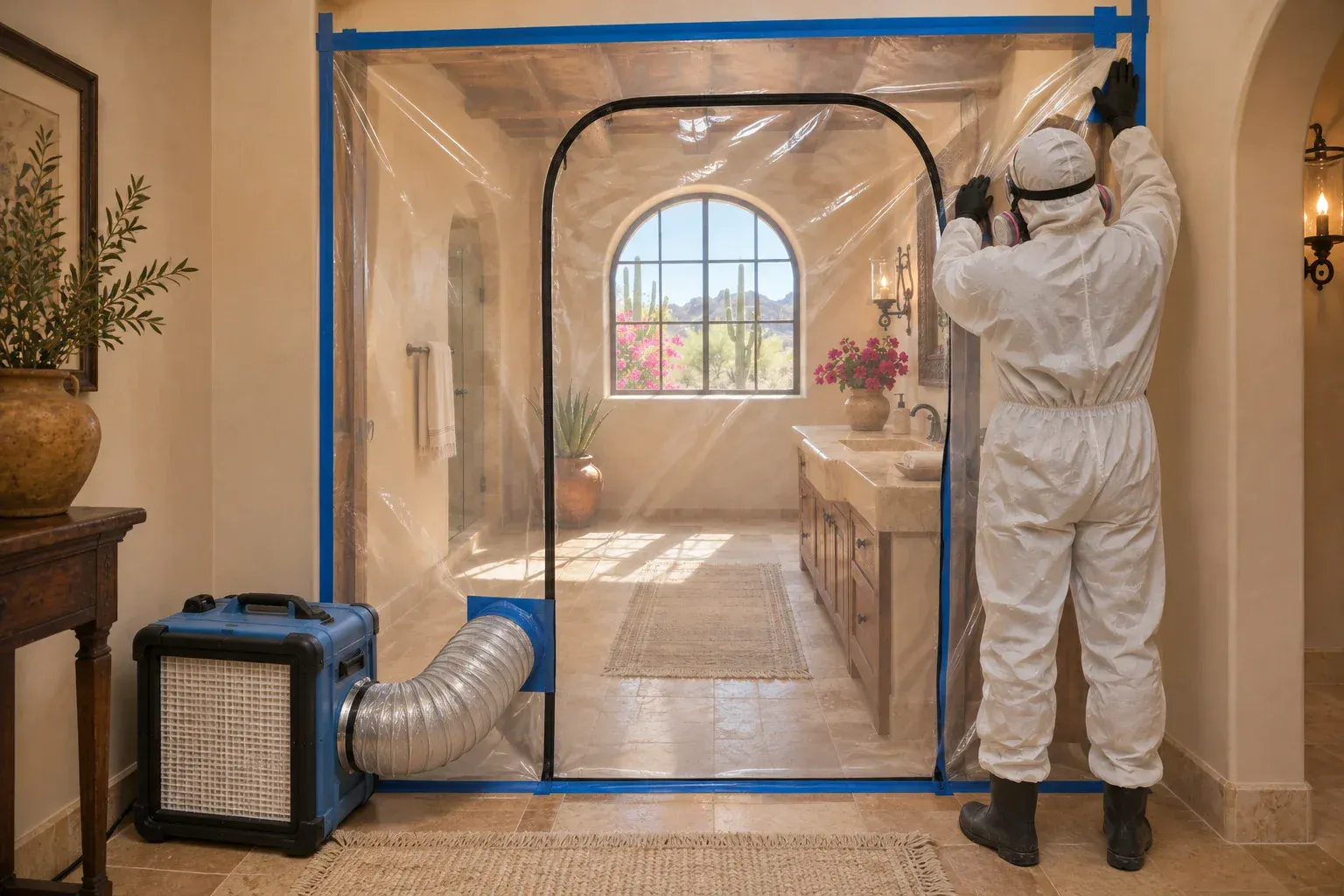
- A work zone isolated so contamination does not reach clean rooms
- Surfaces verified clean, the structure verified dry and the cause confirmed fixed
02Warning signs
4 signs you need sewage cleanup
- 01
Waste water comes up through a toilet, floor drain or laundry standpipe
treat it as contaminated water, not a spill to mop.
- 02
Tubs and showers fill
a backup spreads well past the bathroom.
- 03
Water crosses carpet and tile
it can reach the drywall at the bottom of a wall, and the materials absorb it and pass the contamination along.
- 04
A septic system has failed or filled
stop putting water into it.
03How it works
Three steps from the first call to a clean, dry home
- 1
Call or send the form, day or night. Tell us where the water came from.
- 2
Someone from our team calls you back. We go over what happened and what comes next.
- 3
Containment, removal and cleaning follow. Contaminated materials come out first, surfaces are cleaned and disinfected, and only then does the structure dry.
04Costs
What does sewage cleanup cost?
Home Restoration Costs puts a typical sewage cleanup at $6,000, with most jobs falling between $2,000 and $10,000. Sewage work prices above clean-water drying for 2 reasons: contaminated materials are removed rather than dried in place, and cleaning and disposal add labor to every affected surface. The figure also moves with the size of the affected area and how long the water sat before it was found. Ranges are published by cost guides and Phoenix-area companies on their websites (checked October 2026). They are market figures, not a quote. The actual price is set after an on-site assessment, and it depends on the affected area, the water category, and how many days the equipment runs.
05Safety
What counts as sewage damage?
Sewage damage is contamination from waste water: anything that backs up through a toilet, a floor drain or a laundry standpipe, or spills from a septic system that has failed or filled. The water is the problem, and so is everything it touches. In Paradise Valley, many properties run on septic systems rather than town sewer, and the town's sewer lines are operated by Scottsdale. A backup can spread well past the bathroom: tubs and showers fill, water crosses carpet and tile, and it can reach the drywall at the bottom of a wall. If a toilet backed up, treat it as contaminated water, not a spill to mop. Waste water does not improve with time; the materials it touches absorb it and pass the contamination along. When the source is a septic system, stop putting water into it and call Maricopa County Environmental Services' septic line at 480-483-4703.
06Local risk
Why is sewage water a Category 3 contaminated water?
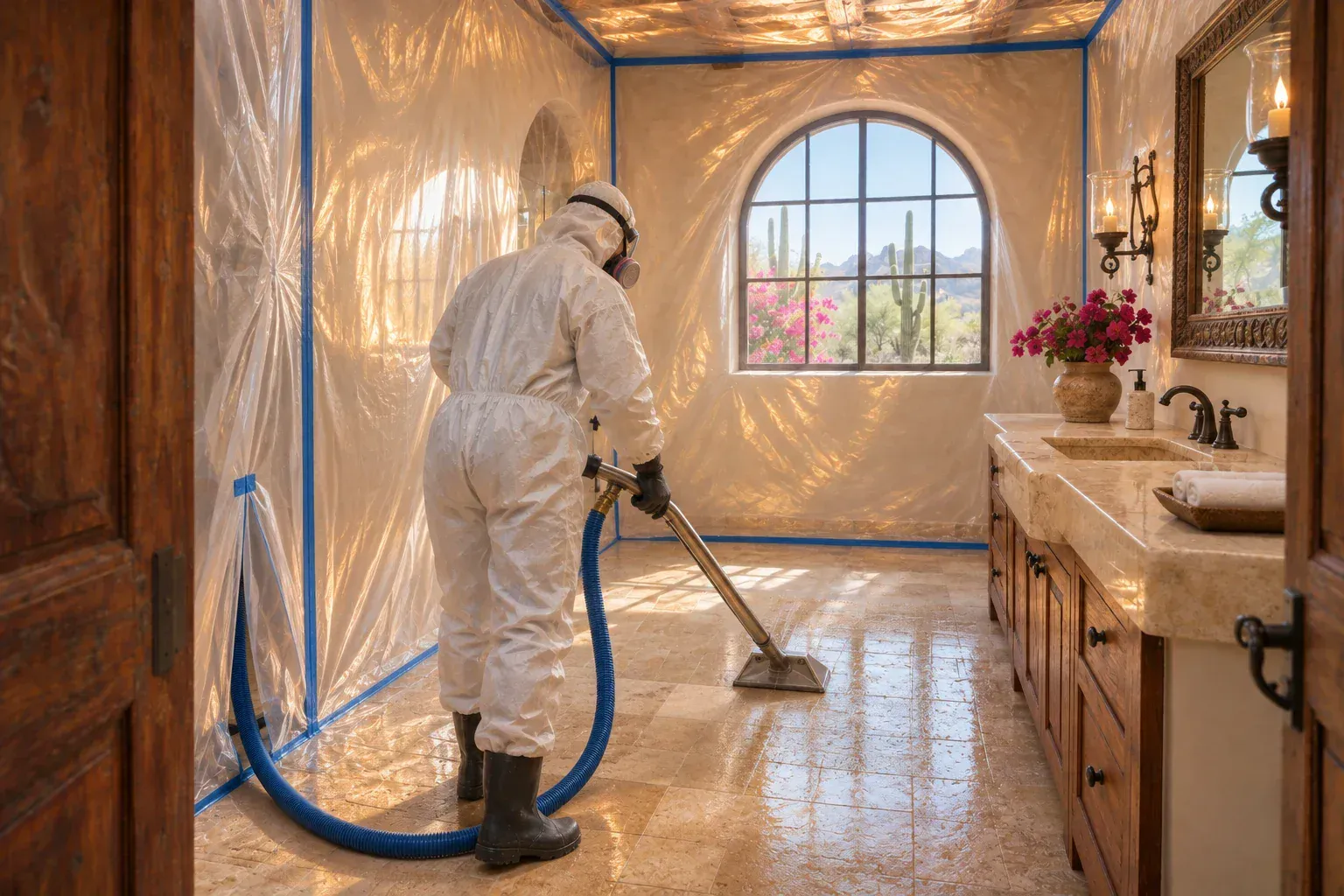
Standards classify water damage by how contaminated the water is. The restoration industry's reference standard, the IICRC S500 (opens in a new tab), places sewage in the top water category, Category 3, commonly called black water. What defines the category is contamination, and sewage carries it. The classification changes the work: for contaminated water, cleaning comes before drying, because drying a contaminated area first spreads the problem instead of solving it. Contaminated porous materials, including carpet, pad and the wet lower sections of drywall, often cannot be restored and have to be removed before anything is dried. The category also drives the safety measures the job needs. That is why a sewage backup is scoped and priced differently from a clean-water leak, and why the answer to "can it just be dried out?" is almost always no.
07First steps
What should I do first after a sewage backup?
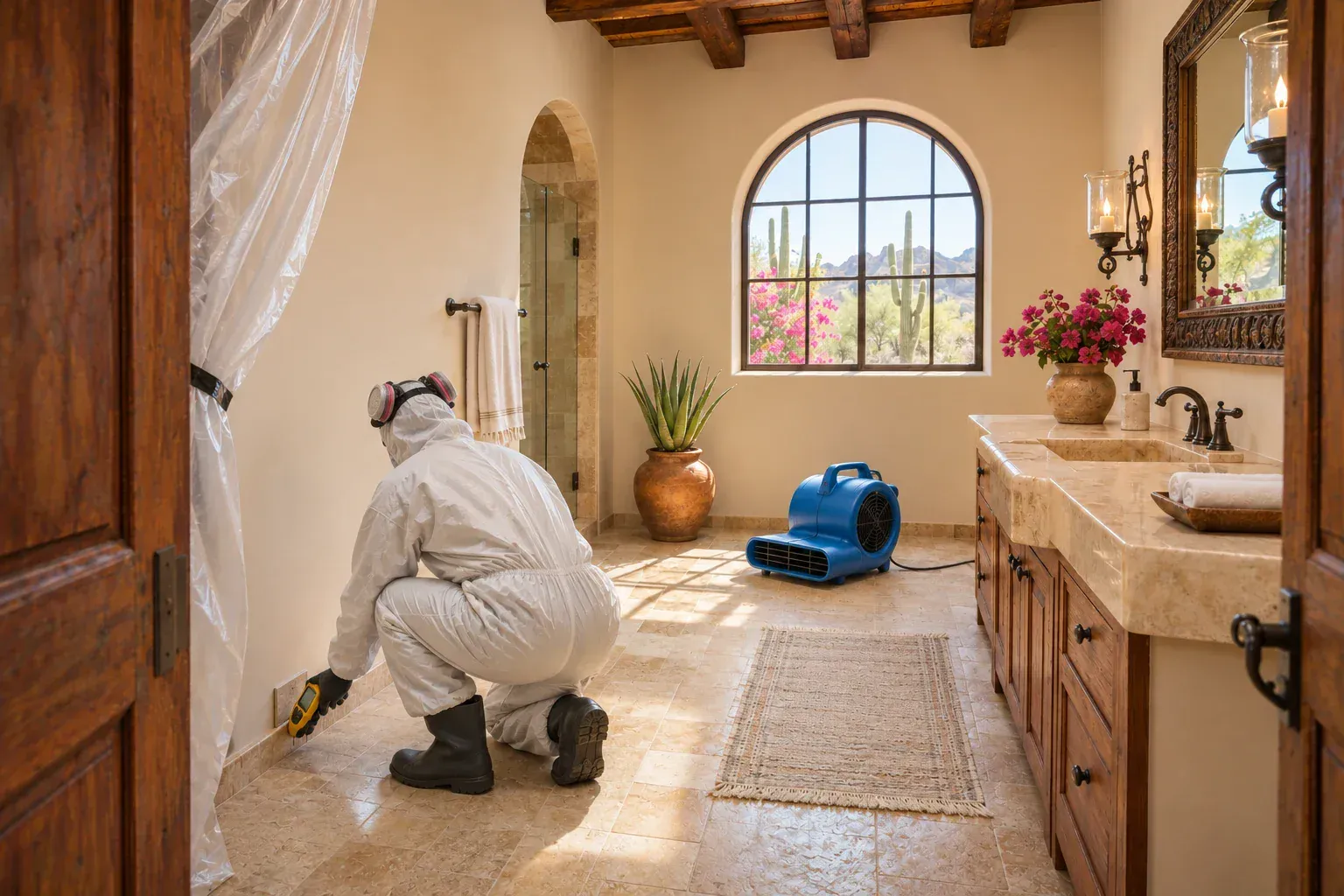
Stop using water, keep people and pets away from the affected area, and do not run the HVAC. Water going down the drains can push more sewage back through the line, so shut off the supply to toilets and stop using tubs, showers and the washing machine until the line is cleared. Keep children and pets out of the rooms; this is a safety-first situation, and the water is contaminated. If waste may have reached ducts or the air handler, leave the heating and cooling off so the system does not move contamination around the house. Do not mop or vacuum the water with household equipment, and stay away from sewage near outlets, appliances or a panel. Call 911 for a medical or electrical emergency. Otherwise, call (602) 671-3561 and keep everyone away from the affected rooms.
08How it works
How does professional sewage cleanup work?
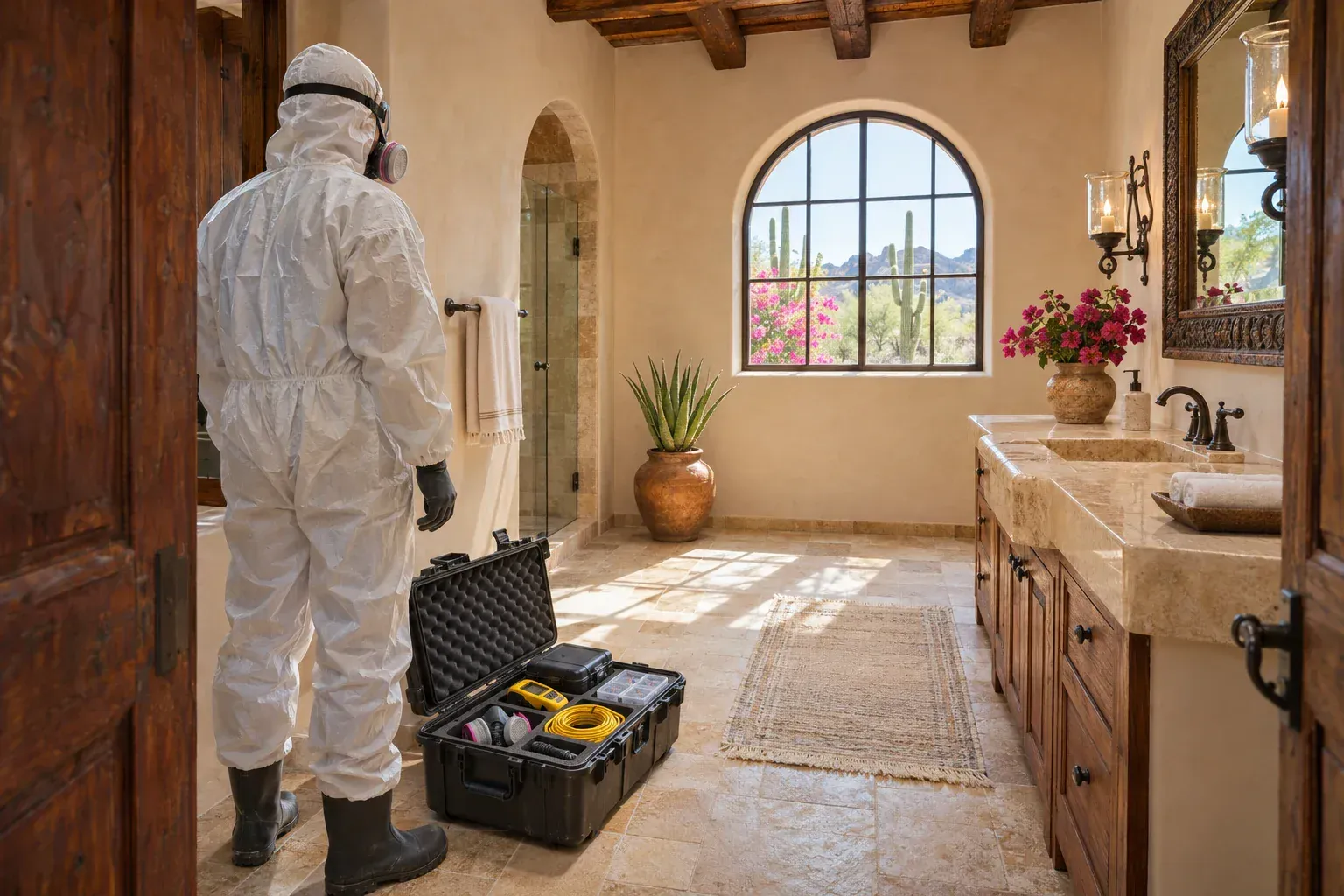
Sewage cleanup is a containment job before it is a cleaning job. The work zone gets isolated so contamination does not reach clean rooms, and the crew works in protective gear. Contaminated porous materials, including carpet, pad and the lower sections of drywall, are removed first, bagged and hauled out, and hard, non-porous surfaces are then cleaned and disinfected. Only after cleaning does drying start, with equipment sized to the wet area and the materials. The EPA's cleanup guidance (opens in a new tab) is to get professional help for larger areas of contamination, which describes most sewage backups and anything that soaked into a structure. The job closes with verification that the surfaces are clean and the structure is dry, plus confirmation that the cause, a blocked line, a failed septic component or a broken pipe, has been fixed. Without that last step, the same backup can return.
09Insurance
Does homeowners insurance cover sewage backups?
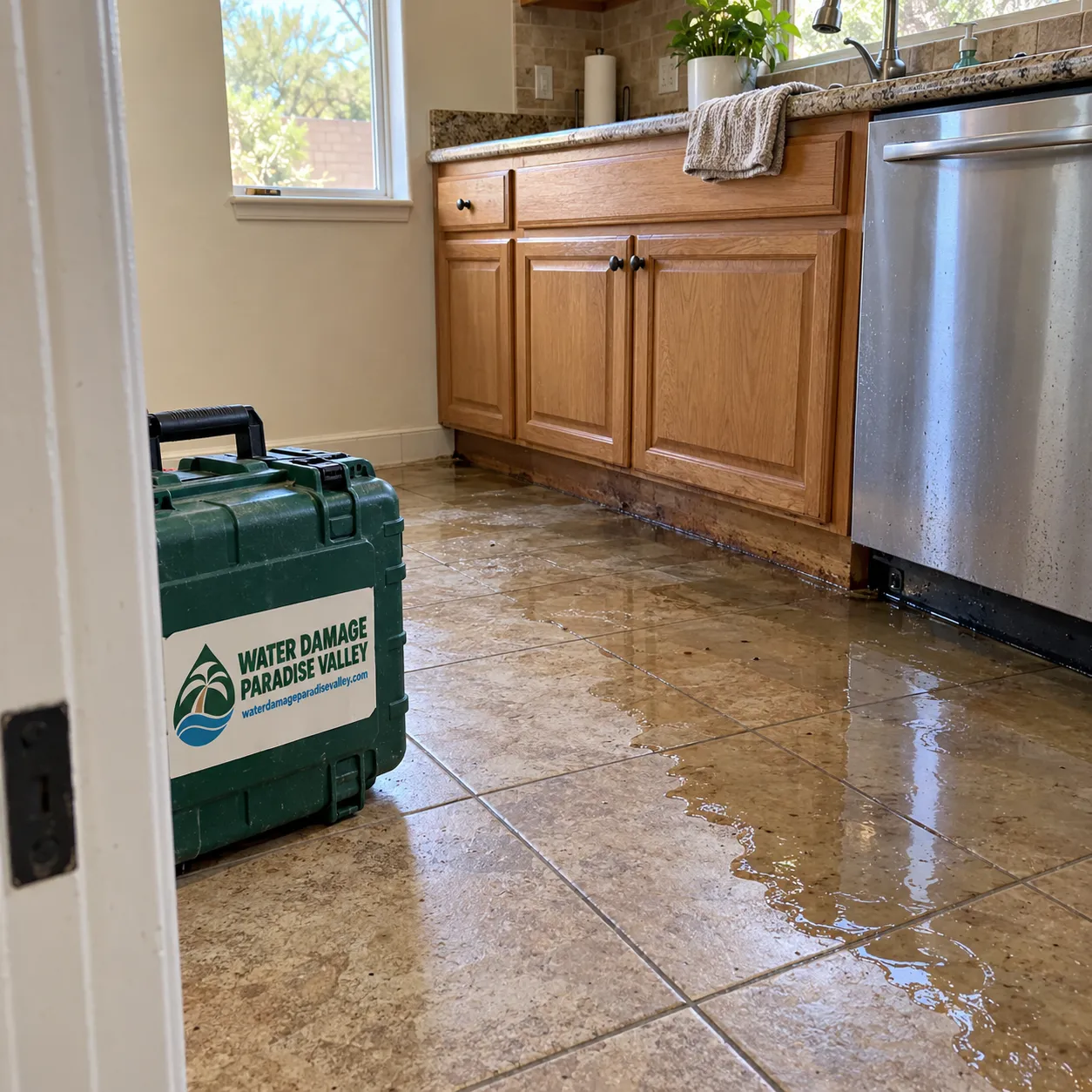
Usually not by default. A sewage backup is generally not part of a standard homeowners policy, and coverage for it typically comes through an added endorsement, often called a sewer backup rider; whether your policy has one decides the answer before any adjuster visits. Triple-I (opens in a new tab), the Insurance Information Institute, notes that an HO-3 policy covers accidental discharge of water from a plumbing system while seepage is excluded, which is the kind of line an insurer draws around a specific loss. Your insurer decides how the event is classified and what it pays. If you are unsure whether a rider is attached to your policy, ask in writing before assuming either way. Photograph the affected area before anything is removed, and keep every receipt. A claim file that starts on day one, with photos and a written scope, gives the adjuster something concrete to work from.
105 questions
Questions people ask
Still have a question?
Call and describe what you see. Calls are answered day and night.
Call (602) 671-356101Is a sewage backup an emergency?
Treat it as one. Sewage is Category 3 contaminated water, and the sooner it is contained and removed, the less of the house it touches. Keep people and pets away from the affected rooms, leave the heating and cooling off if contamination could have reached the ducts, and call 911 first if anyone is hurt or electrical equipment is involved.
02Can I clean up a sewage backup myself?
Small, contained spills are one thing; a backup that has spread into carpet, drywall or the inside of cabinets is another. Sewage is Category 3 water, contaminated porous materials usually have to be removed rather than cleaned, and the EPA's guidance is to bring in professional help for larger areas. Household vacuums and mops can spread contamination and put whoever uses them at risk.
03What has to be thrown away after a sewage backup?
Absorbent materials that soaked up contaminated water come out: carpet, carpet pad, and often the bottom of drywall, insulation, and anything cloth or paper in the path of the water. Hard, non-porous surfaces such as tile and most counters can usually be cleaned and disinfected. The working rule is that if a material cannot be fully cleaned, it is removed rather than left in place.
04Do septic systems back up too?
Yes. Many Paradise Valley properties are on septic rather than town sewer, and a full tank, a blocked line or a drain field that cannot take more water can send waste water back into the house. If you are on septic, stop adding water to the system. Maricopa County Environmental Services runs the county septic program and a septic line at 480-483-4703.
05The backup happened while we were away. Is it still urgent?
Yes. Contamination does not dry into safety, and materials that absorbed waste water stay contaminated until they are removed and the structure is cleaned and dried. A backup that sat for days or weeks has had more time to spread into flooring, drywall and cabinets, which usually means more removal work, not less. Get an assessment before the house is occupied again, especially with children or pets around.
11Keep reading
- Water damage services: extraction, drying, slab leak and sewage work for Paradise Valley and the nearby towns.
- Emergency water extraction: removing standing water before it travels further.
- Structural drying: what happens after cleaning, when the structure itself has to dry.
- Pricing: published market ranges for sewage cleanup and every other service.
- Fountain Hills: the next town over, with its own sanitary district and 24-hour lines.
- Category 1 vs Category 2 Water in Paradise Valley:
- Drywall Repair vs Replace After Water in Paradise Valley: