Guide 02 · 4 min read
Water Damage Restoration Cost in Paradise Valley: What Drives the Price
Water damage restoration prices in Paradise Valley move with the wet area, the water category, and the drying time. Know the published ranges and what moves a bill.
01Costs
What are typical water damage restoration prices?
The cost guides that publish national and regional numbers land in a similar band:
| Source | Published range |
|---|---|
| Fixr | $1,200 to $5,000, average $3,000 |
| Home Restoration Costs | $1,200 to $8,500 |
| Thumbtack | $721 to $3,526, average $1,536 |
A small job in a single room usually sits at the low end, while water that reaches several rooms or a finished lower level pushes toward the top. The same drivers apply in Paradise Valley: how much area is wet, what the water touched, and how long drying runs. These are market figures, not a quote, and each range is attributed to its published source. The actual price is set after an on-site assessment.
02Costs
What makes a job cost more?
Four things move the price:
- 01
The affected area
extraction and drying are billed by the space they cover, so a wet bedroom costs less than a great room plus hallway.
- 02
The water category
clean water is the cheapest to handle, and each step up the scale adds cleaning and removal work.
- 03
The materials
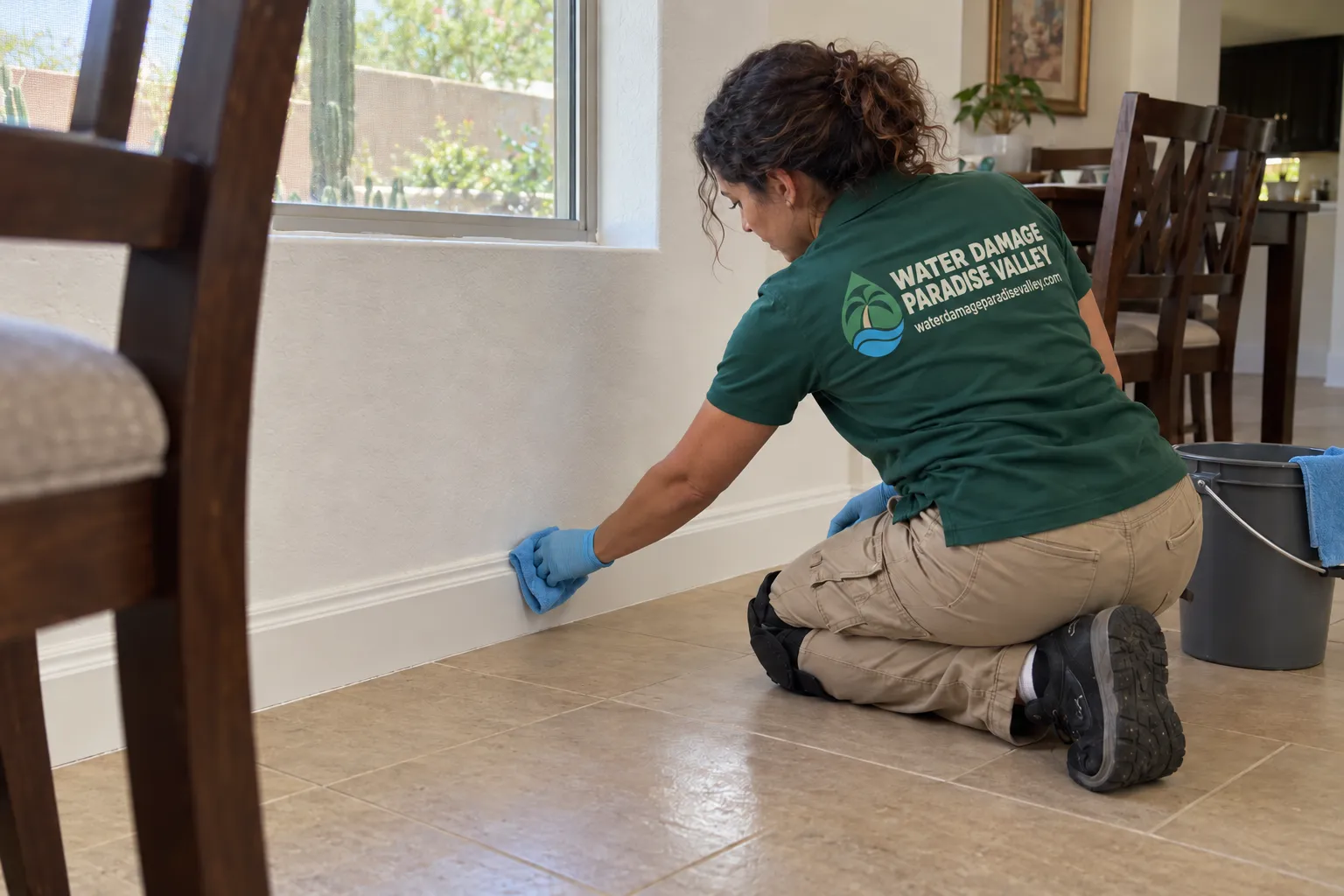
carpet, pad, drywall and insulation often cannot be saved once soaked, so removal and replacement join the scope.
- 04
How fast the water is stopped
a leak caught in an hour may need two days of drying, while water that runs overnight adds equipment days.
The last item is the one a homeowner controls directly, and it usually decides the size of the bill.
03Costs
How does the water category change the price?
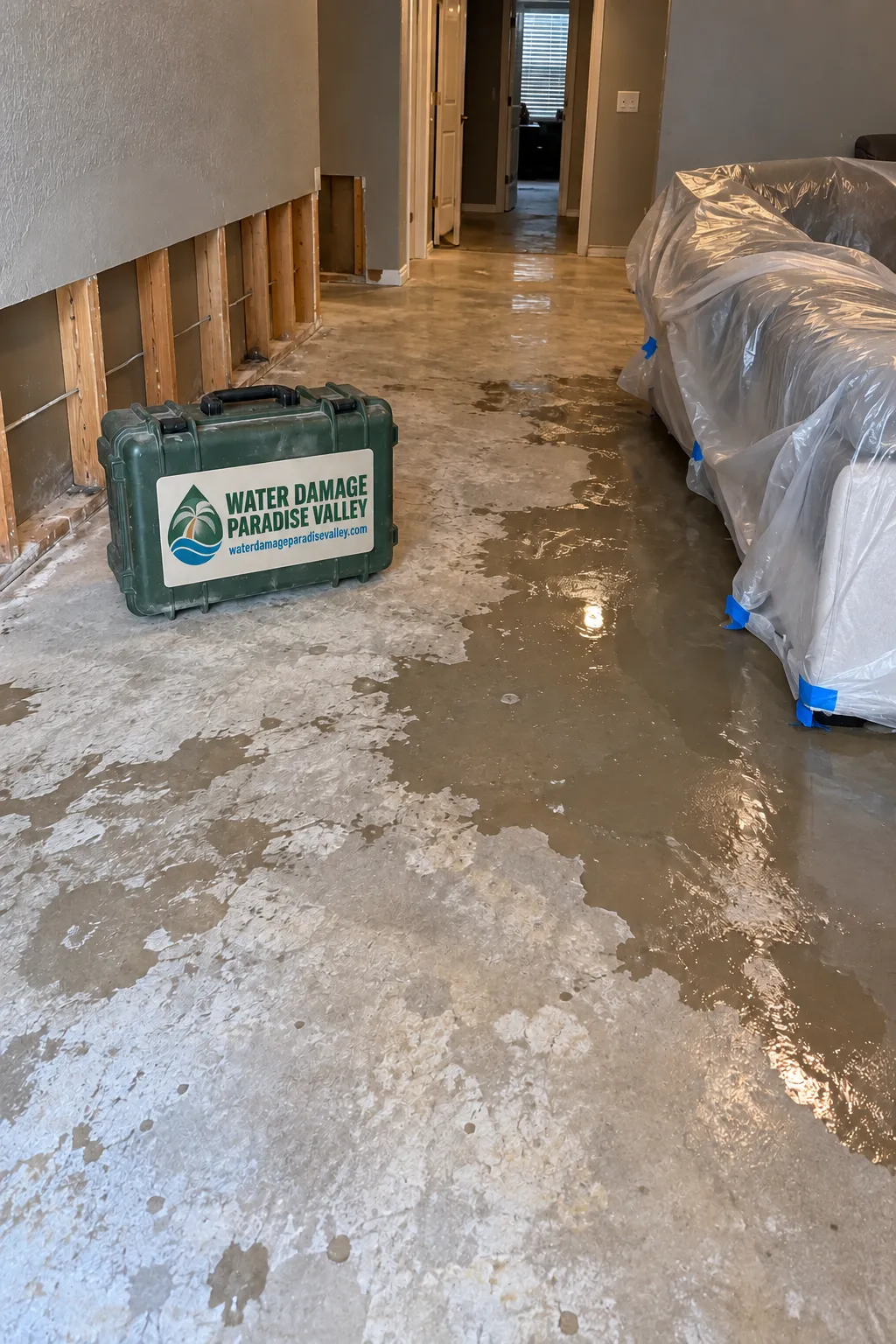
The IICRC S500 standard sorts water damage into three categories, and the category changes both the labor and the material list (IICRC S500 (opens in a new tab)). Category 1 is clean water from a supply line, and it can often be dried in place. Category 2 is gray water with some contamination, which adds cleaning steps. Category 3 is black water: sewage, most storm water that has crossed the ground, and water that has sat long enough to grow harmful organisms. Category 3 materials are usually removed rather than dried, and the affected surfaces are cleaned before drying equipment runs. Moving up the scale adds disposal, cleaning and replacement, which is why two leaks of the same size can carry very different price tags.
04Costs
What do extraction and drying cost separately?
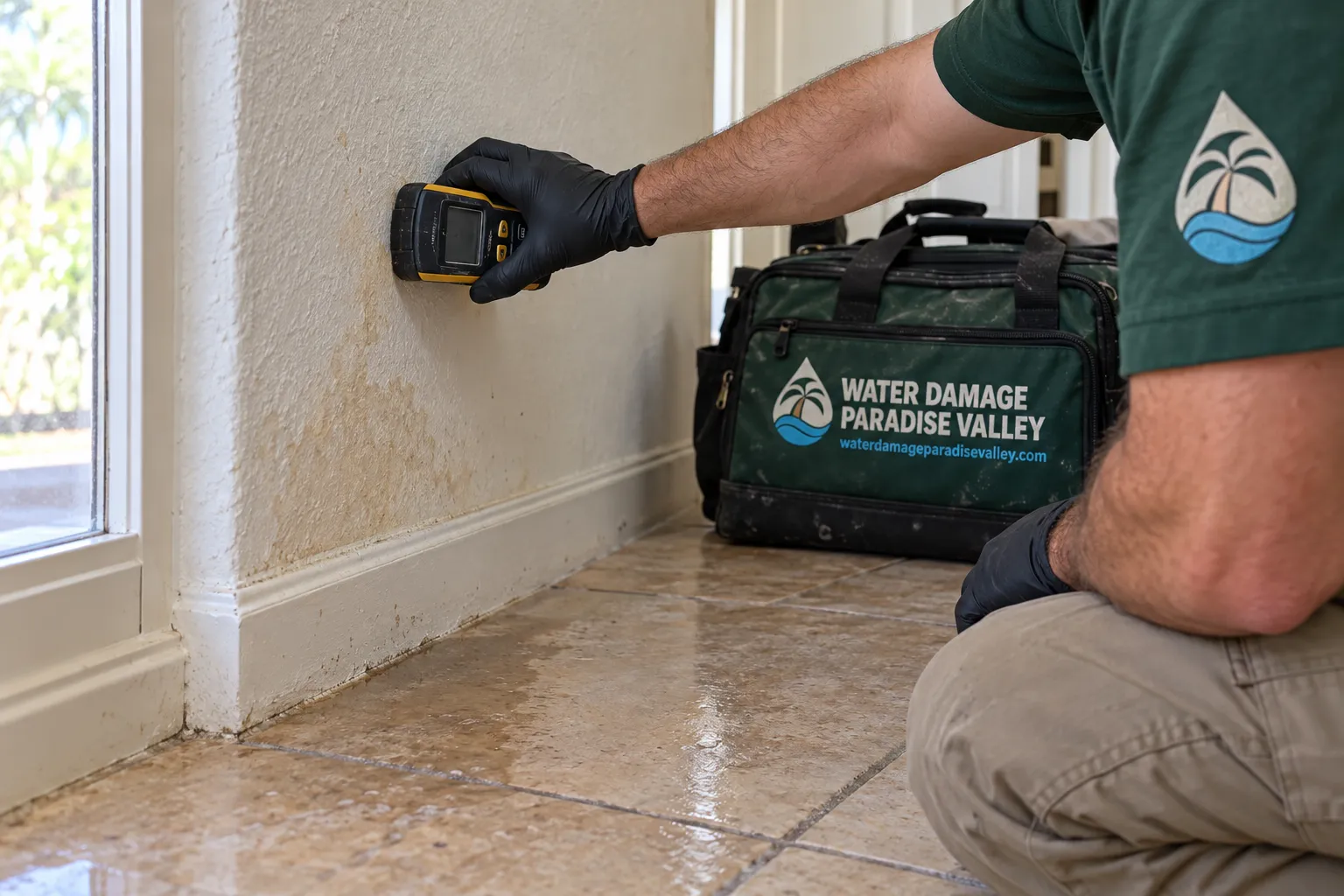
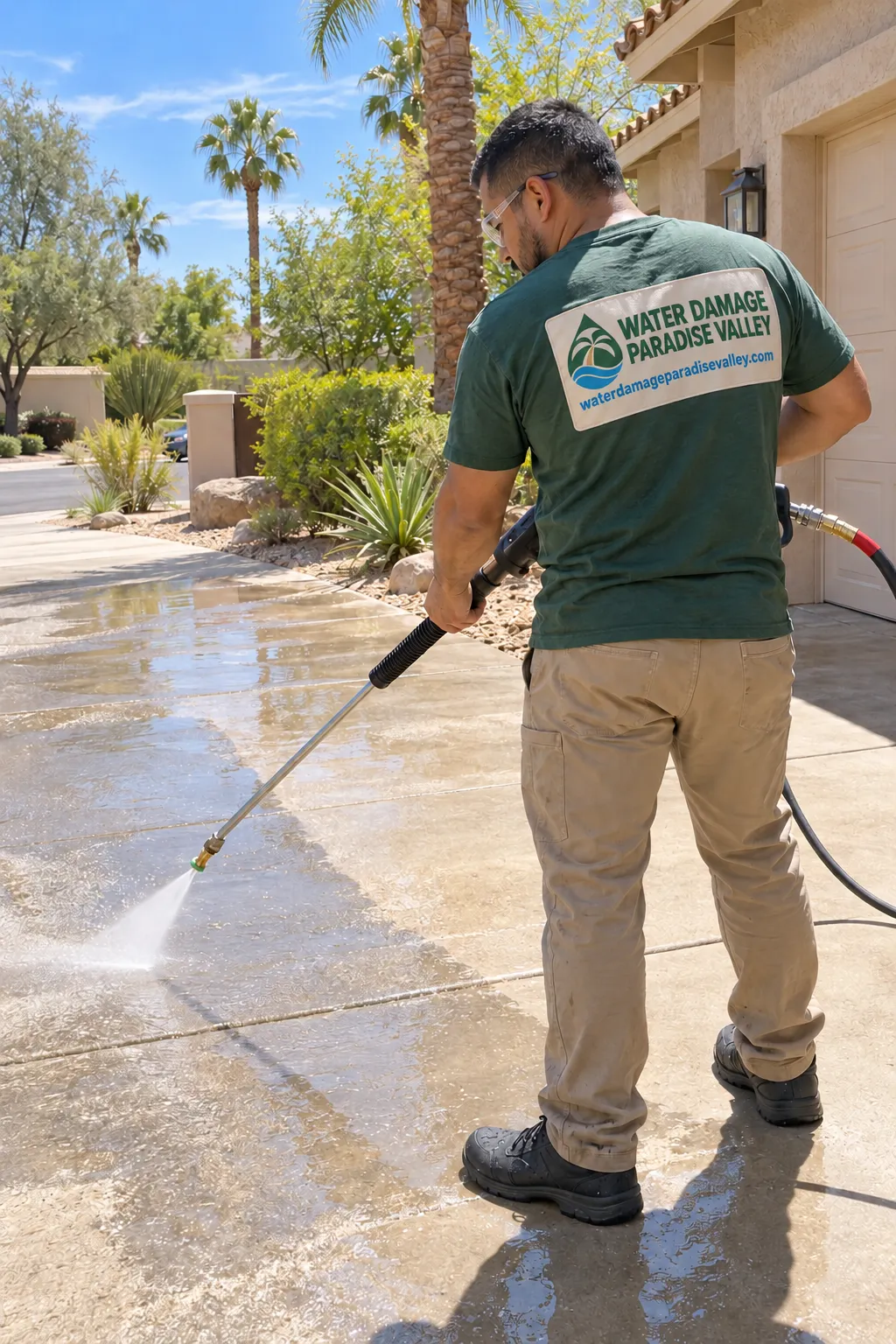
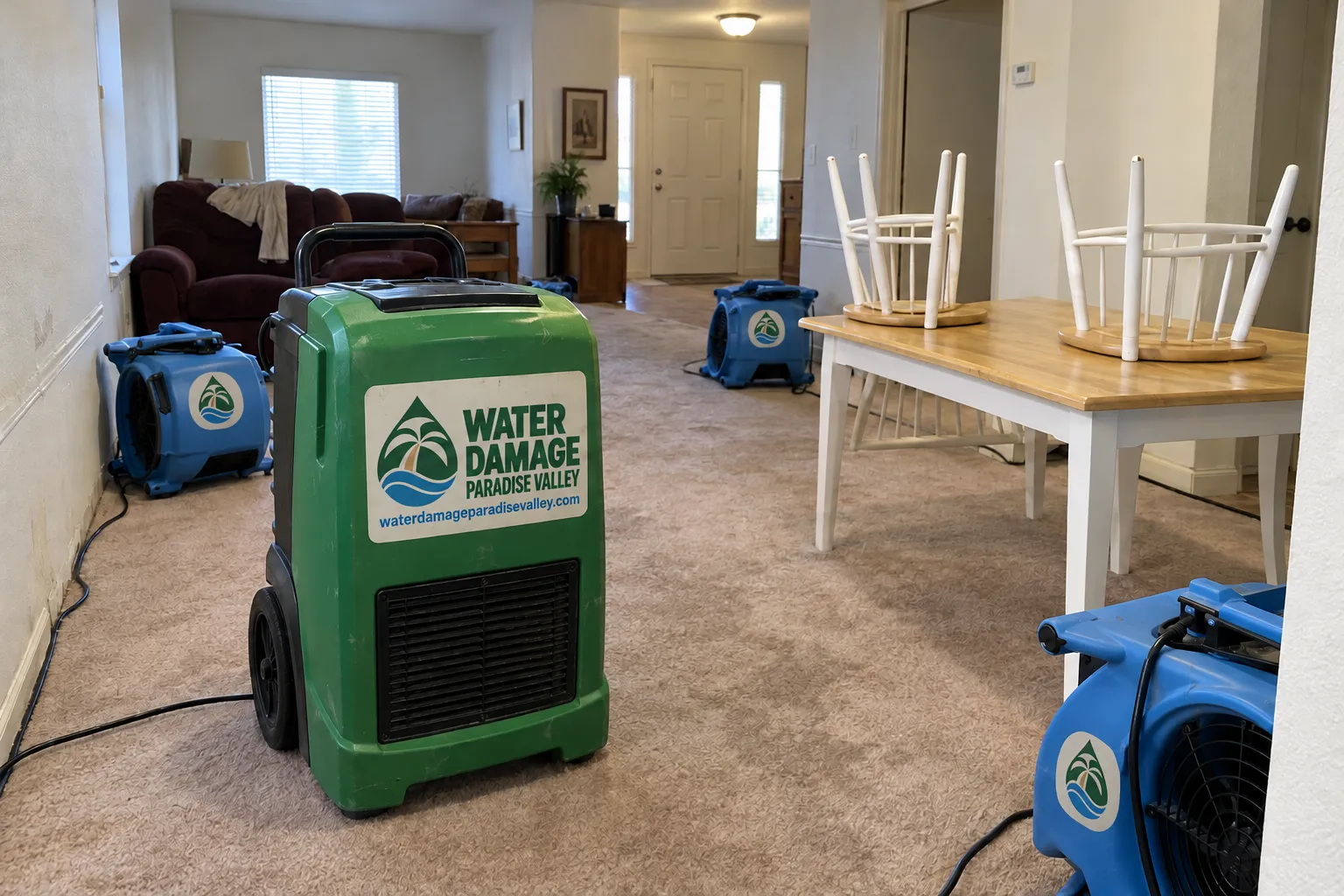
Emergency water extraction runs $500 to $3,500, and structural drying with fans and dehumidifiers runs $500 to $2,500, both published by Home Restoration Costs. Cleanup and drying is also quoted by area, commonly at $3 to $7 per square foot. Extraction is the fast part, removing standing water; drying is the slow part, and it runs until moisture readings in floors and walls return to normal. Equipment days are where a bill separates from the first estimate. The rebuild comes after: new drywall, paint and flooring are usually separate lines that start once the structure reads dry. The actual price is set after an on-site assessment.
05Costs
Does insurance pay for restoration?
Often, but the insurer decides. Water damage and freezing was the second-largest cause of homeowners insurance losses in 2022, at 27.6% of losses, and the average claim severity across homeowners claims from 2018 to 2022 was $15,749 (Triple-I (opens in a new tab), ISO data). The figures show how common and costly these losses are; they do not promise anything about your policy. Sudden water from a plumbing system is the classic covered event, while slow seepage and flood are usually excluded, and flood coverage is a separate policy through the NFIP. Ask coverage questions early and get the answers in writing. Report the loss early, document everything, and keep receipts for any cleanup you pay for out of pocket, because those receipts back the claim.
06Good to know
How can I keep the bill down?
Three habits help the most:
- 01
Document everything
photos and video of every affected room before anything moves, plus dates and notes for your insurer.
- 02
Act fast
water that sits can feed mold growth within 24 to 48 hours, so drying should start as soon as the water is out (EPA (opens in a new tab)).
- 03
Shut off the source
know where the main valve is, close the supply to any fixture that keeps leaking, and fix the cause before the cleanup.
If water is still in the house, call (602) 671-3561; the first hours change the final number more than anything else.
072 questions
Questions people ask
Still have a question?
Call and describe what you see. Calls are answered day and night.
Call (602) 671-356101Can I handle water damage cleanup myself?
For a small spill of clean water on a hard floor, a towel and a fan can be enough. Gray and black water, or water inside a wall, needs professional extraction and drying.
02Can the final bill come in higher than the first number?
It can, if the water traveled further than the first look showed or if moisture testing finds wet pockets behind walls.